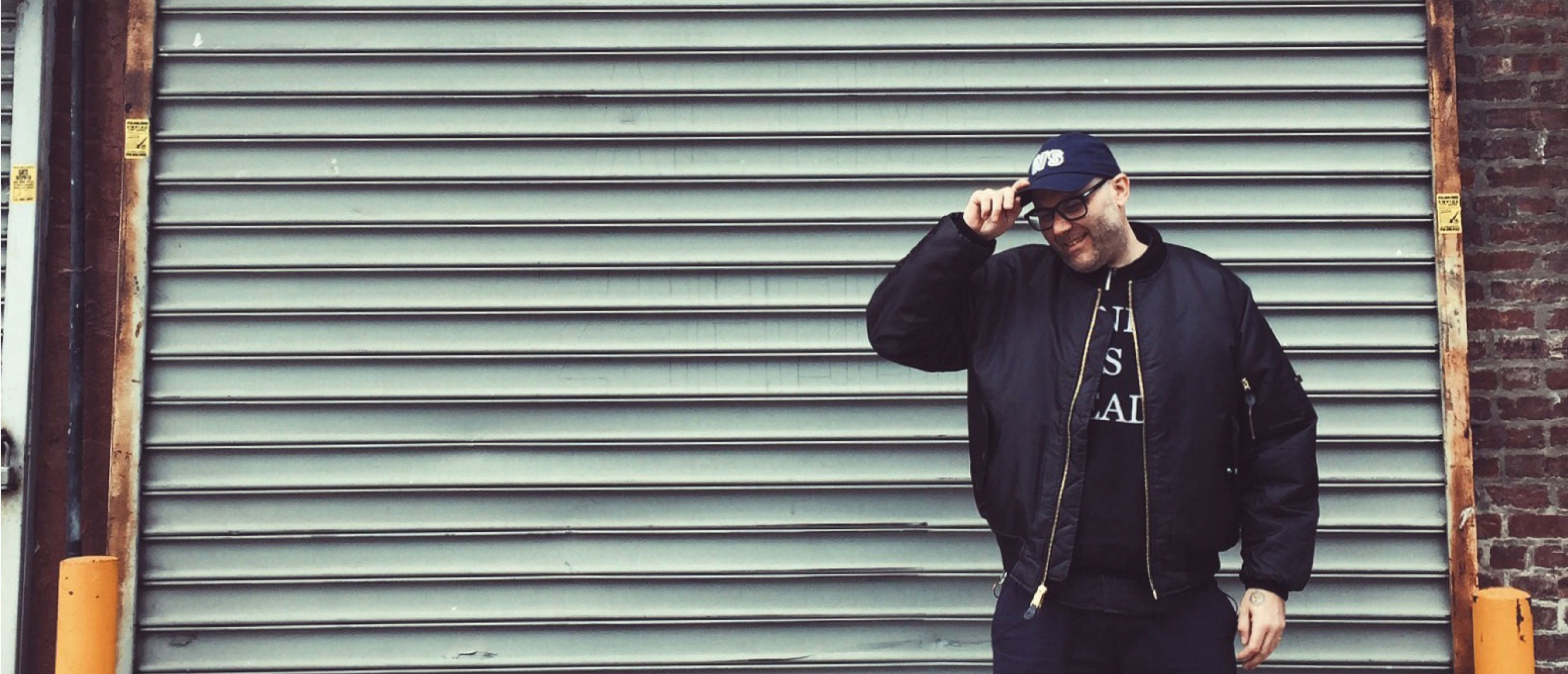
Max Klaw: The Veteran DJ Shaping Underground Culture Across Coasts
In a landscape where club culture mutates by the season and DJs rise and fade in the space of a festival cycle, Max Klaw stands out as one of the rare constants—an artist whose career traces the fault lines of American electronic music from its warehouse grit to its modern, genre-fluid identity. With decades of experience across Denver, Las Vegas, Los Angeles, Brooklyn, and New York, Klaw has carved out a reputation as a selector who brings history, instinct, and genuine craft to the decks.
Early Life and Beginnings: A Foundation Built on Crates and Curiosity
Formed in Colorado, Max Klaw—then known as DJ Klaw—came up in an era where the line between rock dive, hip-hop night, and rave was thin enough to jump in a single evening. His earliest influences were a mix of West Coast hip-hop, UK imports that trickled in through the right record shops, and the breakbeat-heavy rave tapes passed around by older kids. What drew him in wasn’t genre—it was energy. Klaw learned to DJ the way most lifers do: obsessively, surrounded by records, throwing himself into every basement gig and bar slot he could find.
Those formative years cemented two traits that define him today: a refusal to bow to trend cycles, and an intuitive understanding of how to move a room without relying on spectacle.
Denver and the Birth of a Scene
Klaw became a central figure in Denver’s blossoming electronic landscape in the early 2000s. He co-founded Mommy’s Little Monster, the long-running weekly at Bender’s Tavern that became a haven for the city’s alt-club kids, bringing together hip-hop, electro, grime, and early bass music under one roof.
His role expanded with a residency at NOISE! inside Beta Nightclub—then one of the most acclaimed venues in the country—where he pushed heavier, bass-leaning sets that predated mainstream EDM’s arrival. These nights weren’t just gigs; they were incubators, helping solidify Denver’s reputation as one of the most musically adventurous cities in the U.S.
West Coast Expansion, X Games Stages, and Life on the Move
As his reputation grew, Klaw took Denver’s momentum to other cities. He launched a Las Vegas residency at Wasted Space inside the Hard Rock Hotel, spinning Sunday nights that blurred rock-club chaos with the precision of a seasoned dance-floor architect. He also landed bookings at major events, including the Summer X Games (2006) and Winter X Games (2007–08) in Aspen—performances that put him in front of massive, high-energy crowds long before festival main stages became the norm for DJs.
Klaw became a familiar name in Los Angeles nightlife as well, playing influential parties such as The Heist, Dance Right, and Element, sharing lineups with artists like A-Trak, RJD2, Z-Trip, and Steve Aoki.
Brooklyn, Gold Whistle, and a New Chapter of Collaboration
Relocating to New York supercharged the next phase of his career. Klaw became involved with Gold Whistle, the Brooklyn-based label and party crew known for its hybrid of bass, club, and global sounds. Working alongside artists like Cobra Krames, Dirtyfinger, Yamez, and the Gold Whistle extended family, he contributed to the label’s compilations and created his own standout releases, including material that would become the Stereo Crimes era of his sound.
Weekly Brooklyn parties, underground lofts, and warehouse nights sharpened his instincts even further, fusing his Denver and West Coast sensibilities with NYC’s unpredictable, genre-agnostic club culture.
Musical Style: House at the Center, Everything Else at the Edges
Today, Klaw’s sets orbit House—deep, rolling, percussive—yet they’re never purist. His years of navigating grime, dubstep, electro, hip-hop, and bass music show up in the details: the swing of a drum pattern, the tension in a build, the way he lets a groove breathe.
He’s a stylist who approaches music like a producer, not a trend-chaser. His sound is built on “feel,” a word he uses often, and it’s exactly what sets him apart.
Achievements and Recognition
Across two decades, Klaw has:
Shared stages with A-Trak, RJD2, Z-Trip, Steve Aoki, and other genre-defining artists
Held residencies in Denver, Las Vegas, Los Angeles, Brooklyn, and New York
Performed at major national events including EDC and the X Games
Released music with Gold Whistle, contributing to its influence on Brooklyn’s underground
His career isn’t defined by awards but by longevity, respect from peers, and a catalogue of residencies that most DJs would envy.
Recent Work and the Next Phase
Now based in New York, Max Klaw is focused on new House-driven productions that reflect the full arc of his musical evolution. He’s been shaping a forthcoming series of releases that blend classic deep-house warmth with the grit and tension of his bass-heavy roots. His recent DJ sets show a refined maturity: more groove-driven, more intentional, but still carrying the unpredictability that marked his early years.
Conclusion: The Lifelong Craftsman
Max Klaw’s impact on the American electronic underground is defined not by viral moments, but by consistency, community, and craft. He’s a DJ’s DJ—versatile, unpretentious, and deeply connected to the culture’s roots.
As he enters a new chapter of production and performance, Klaw remains one of those rare artists whose best work always feels like it’s still ahead of him.